Characteristics || General
Appearance || Breed Standard
Characteristics
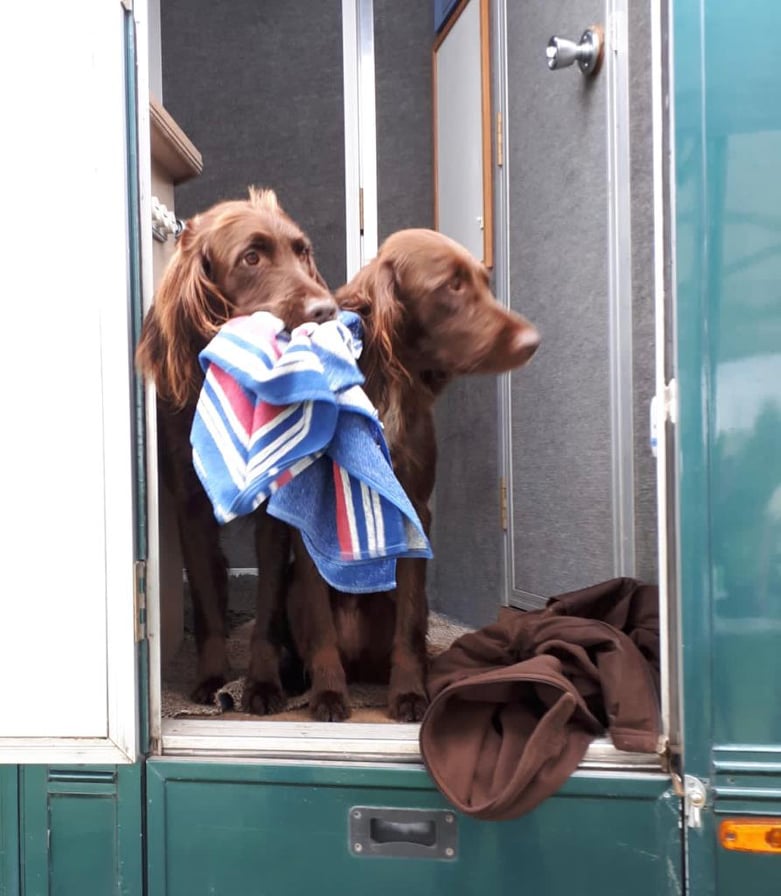
Throughout Western Europe the German Longhaired Pointer is regarded as
an exceptional hunting, pointing and retrieving gundog. The breed combines
power with grace, pace with style and displays a quiet and equable disposition.
A more loyal companion would be hard to find.
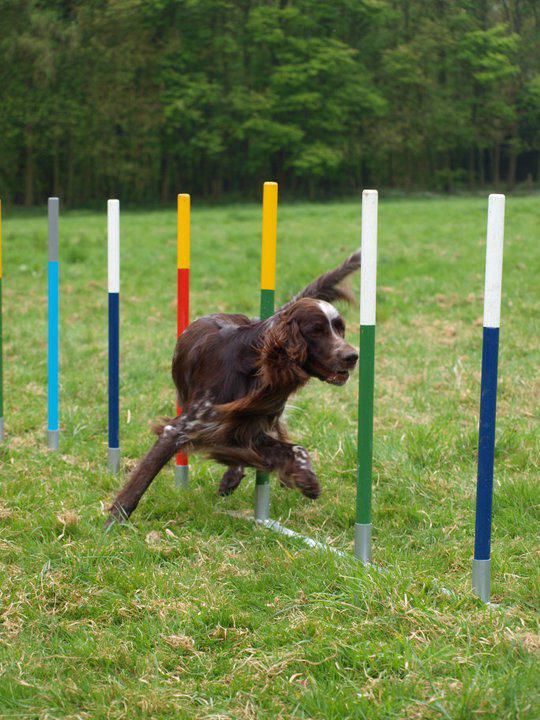
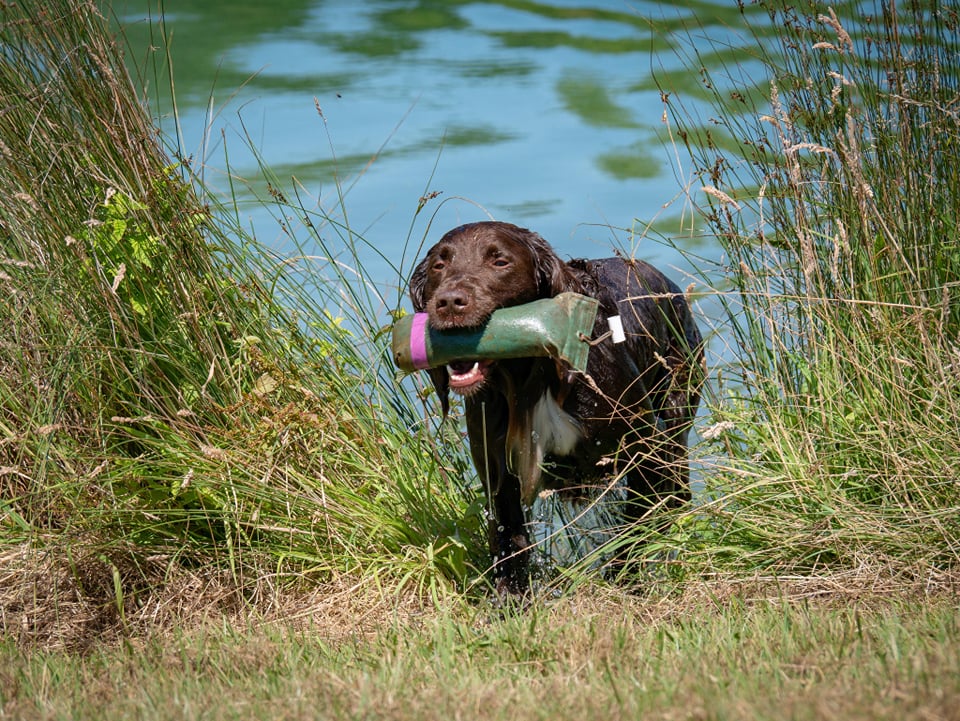
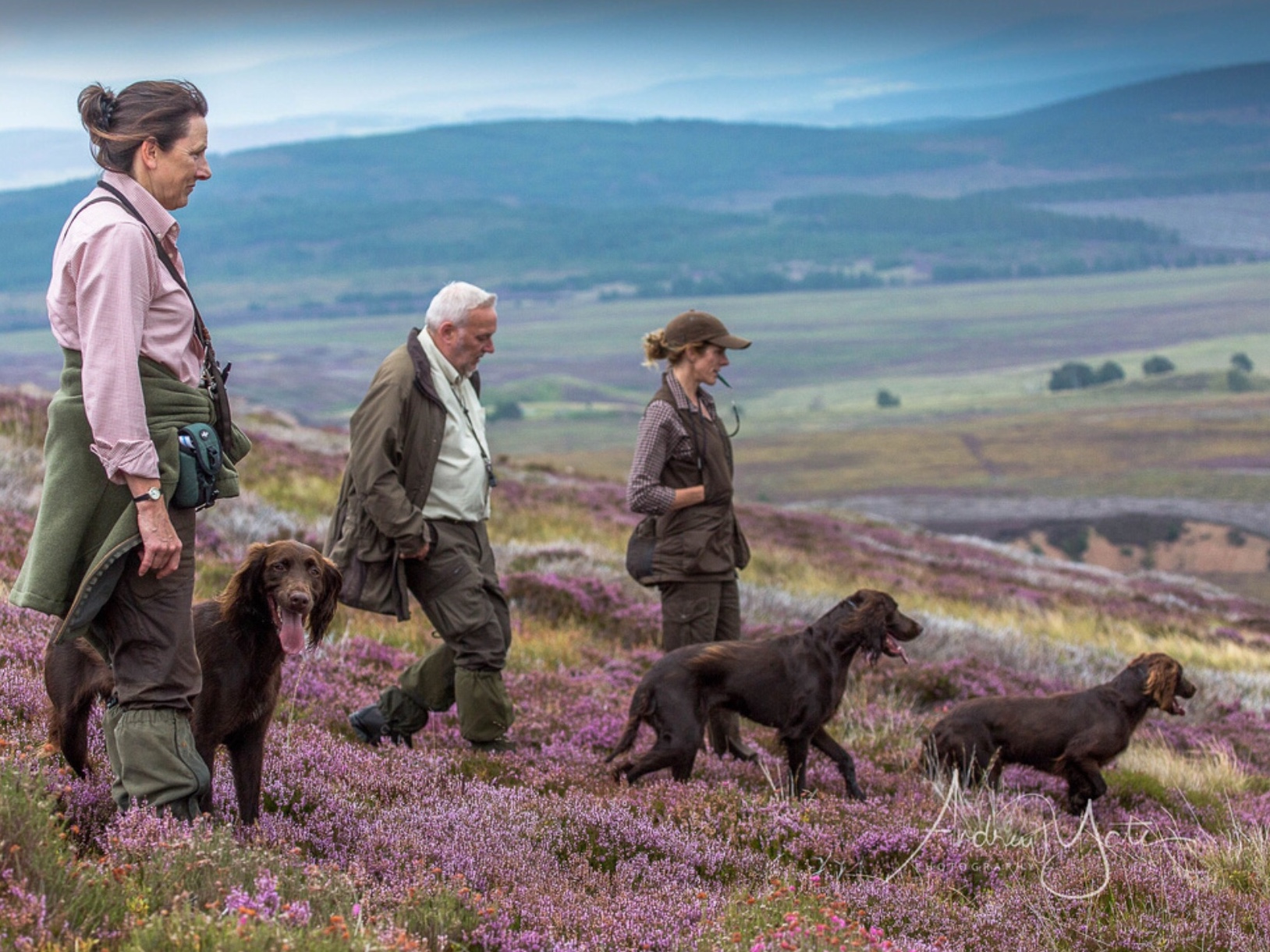
Having been bred to work for the roving hunter they are the ideal rough
shooting dog, working the season through on all types of quarry. They
are the most determined of hunters and game finders, quartering the ground,
pointing, holding the game until told to flush and retrieving gently to
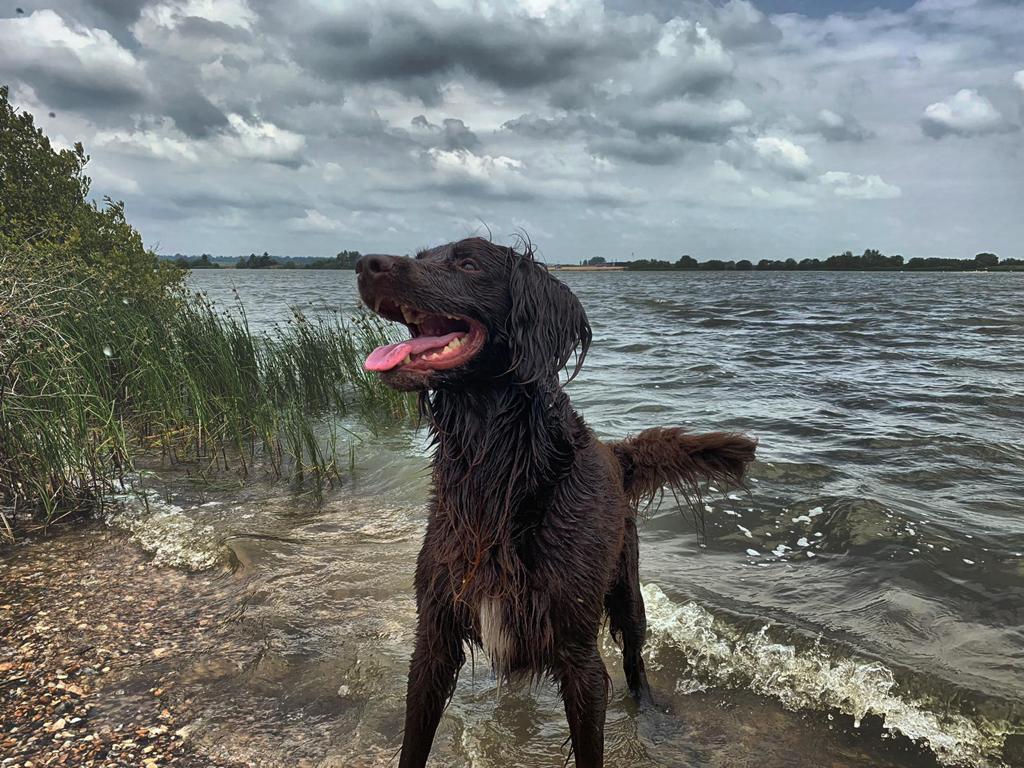
hand - they are equally good on land and in water. Longhairs are much
happier doing what they have been designed for, rather that acting as
a pure retriever sitting at a peg on a driven shoot. Nor are they suitable
for people that are away from home for long periods in the day or for
those that live in cities or where they cannot be run freely.
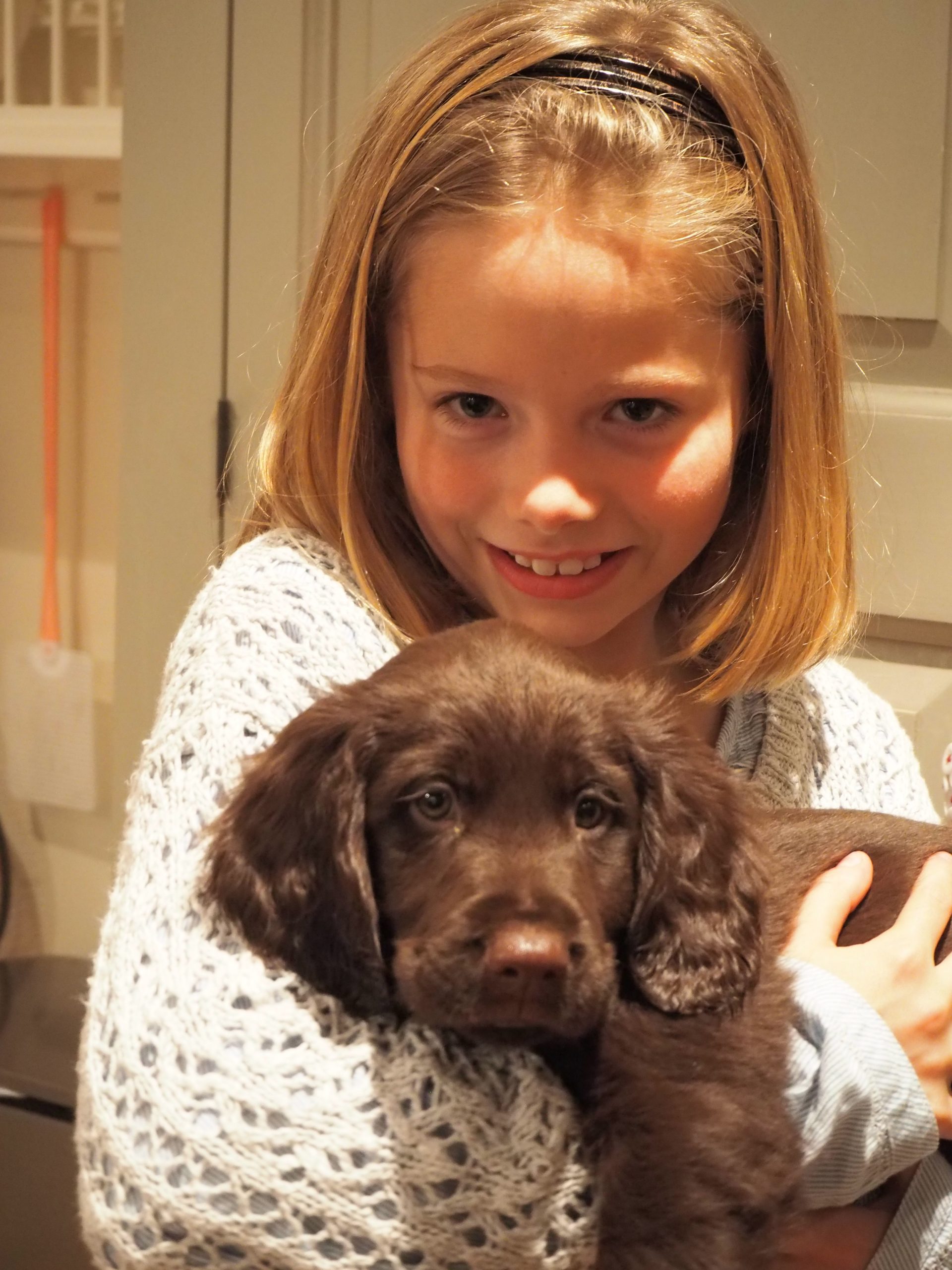
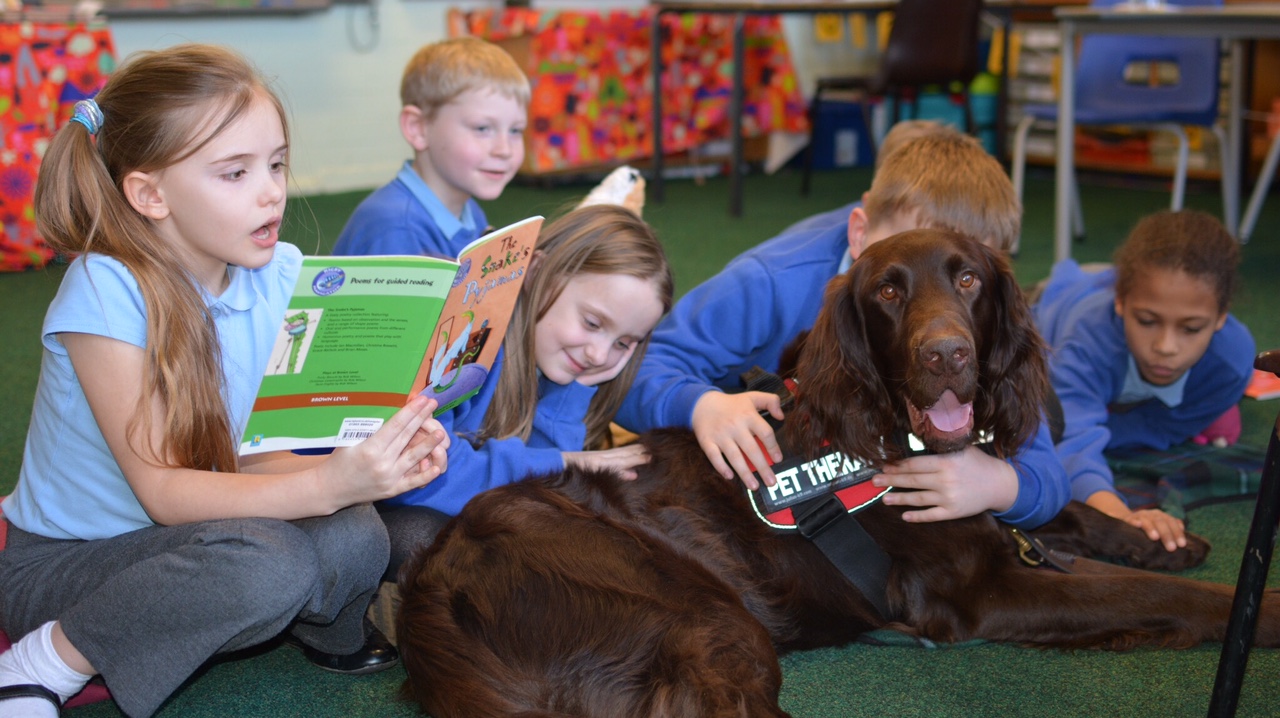
It is a noble, quiet breed that loves people, children and the company
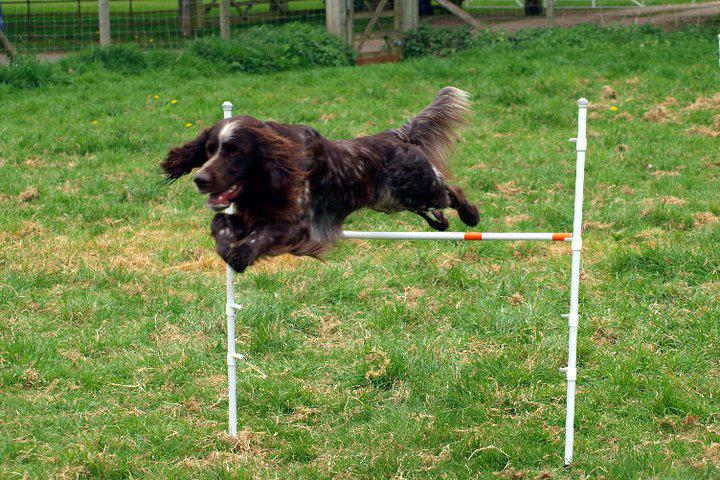
of others. At least one to two hours' exercise a day is required, rain
or shine. It is expected for them to work all day and their energy is
inexhaustible. They are very intelligent and therefore easily trained
but it should be noted that it is not a hardheaded breed and would be
sensitive to harsh training.
back
to top
General Appearance
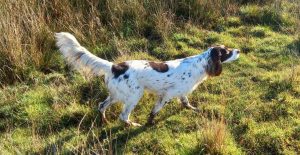
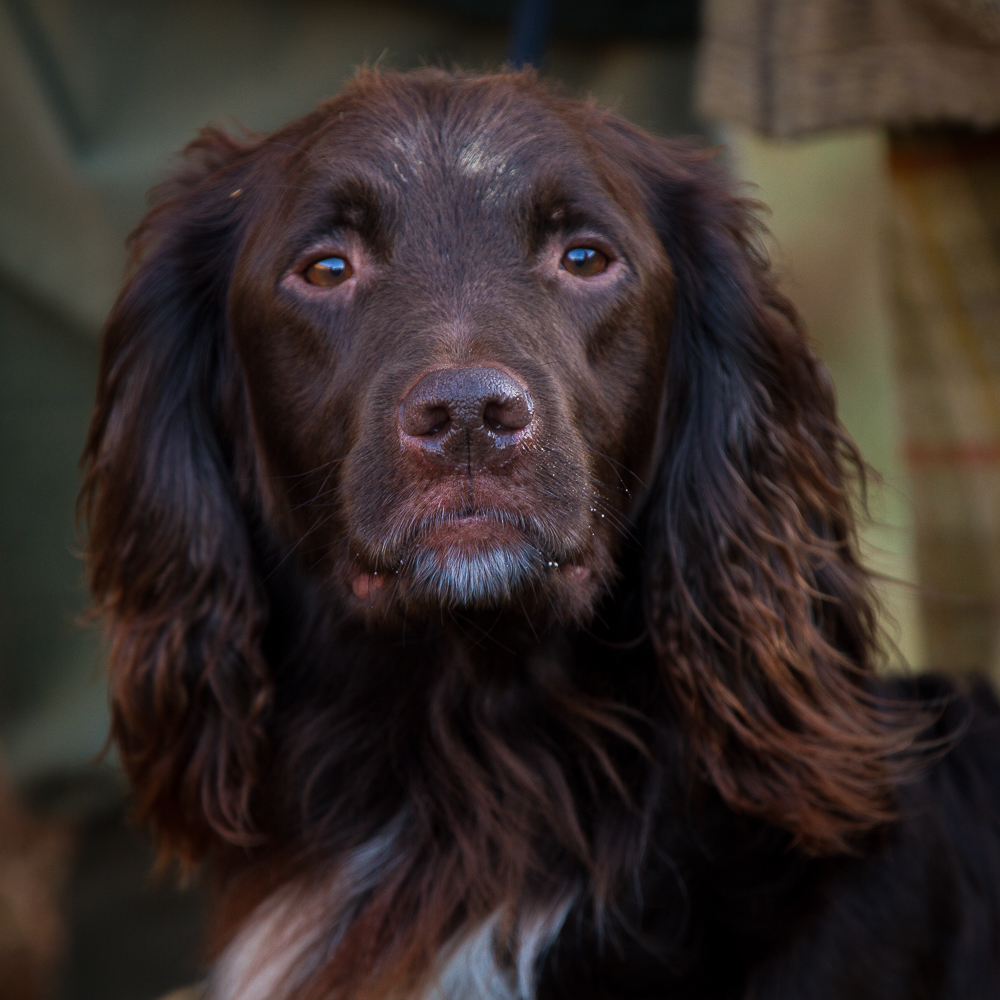
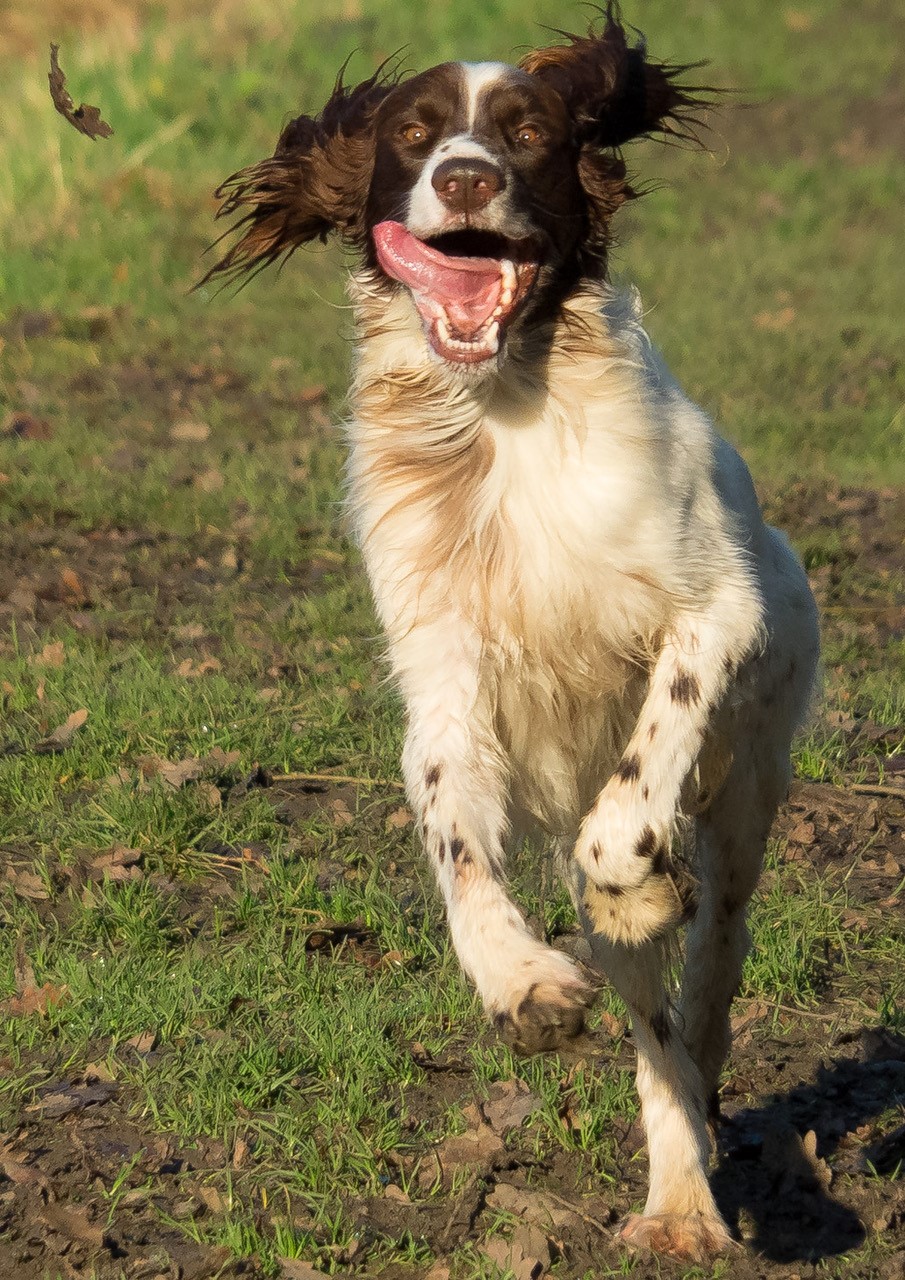
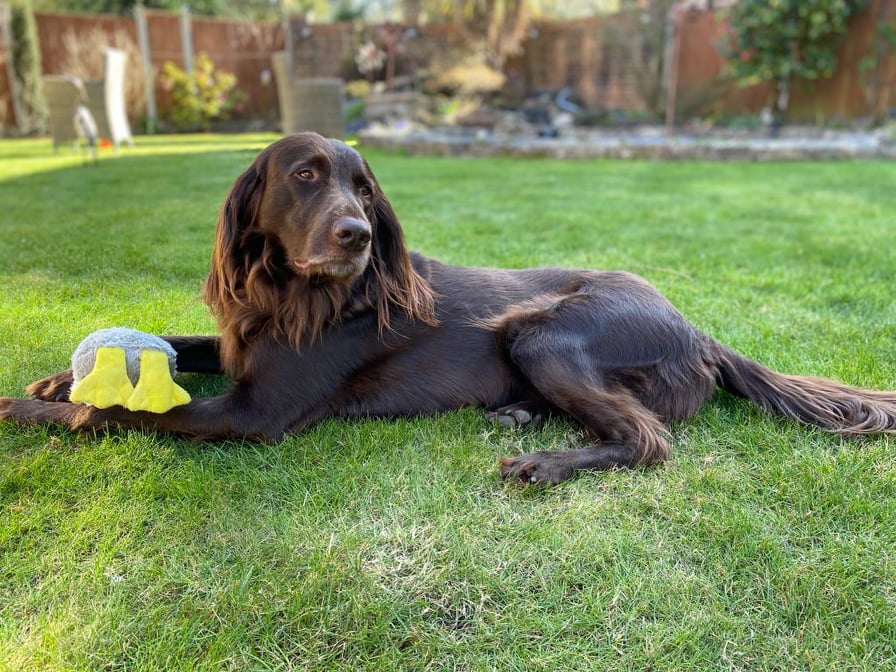
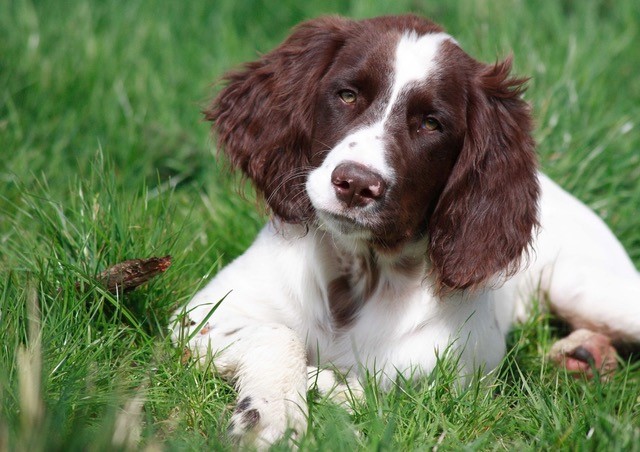
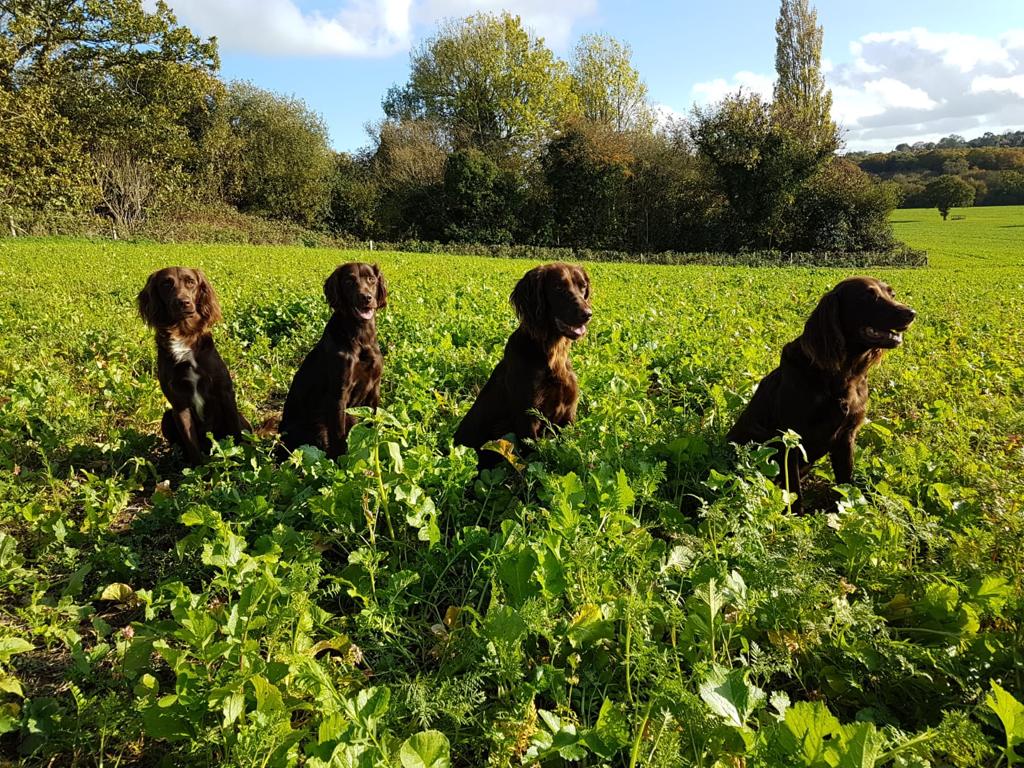
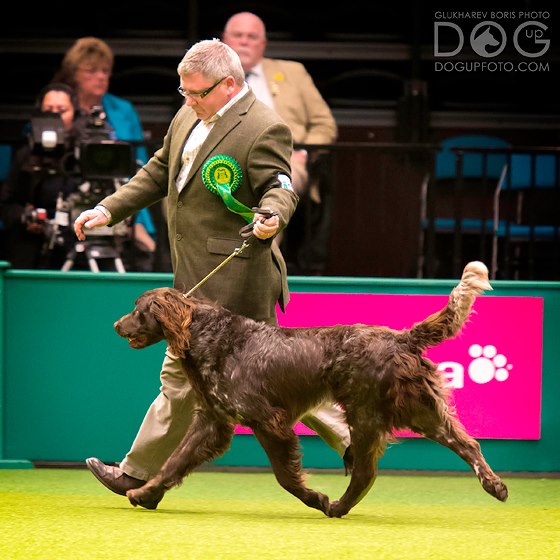
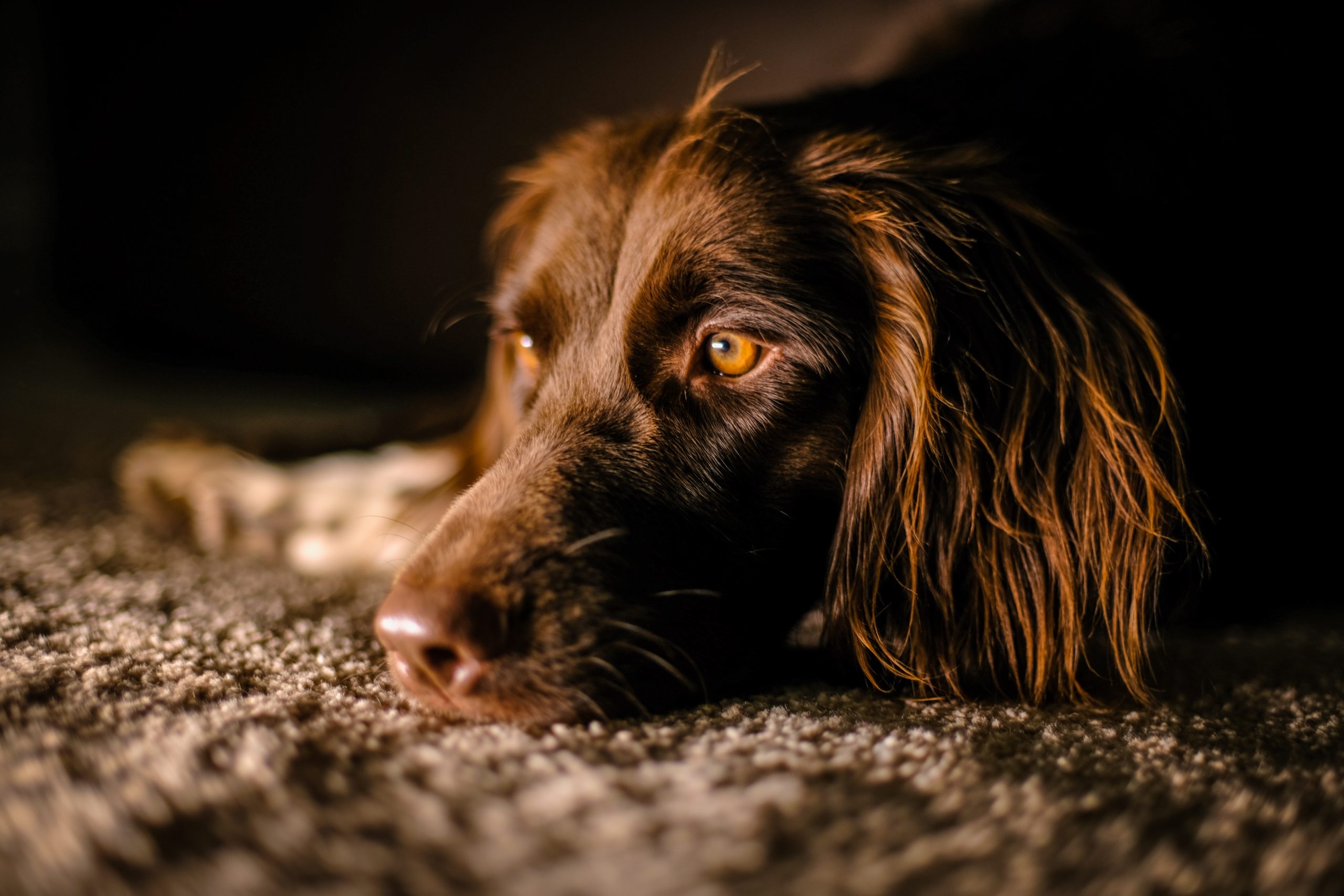
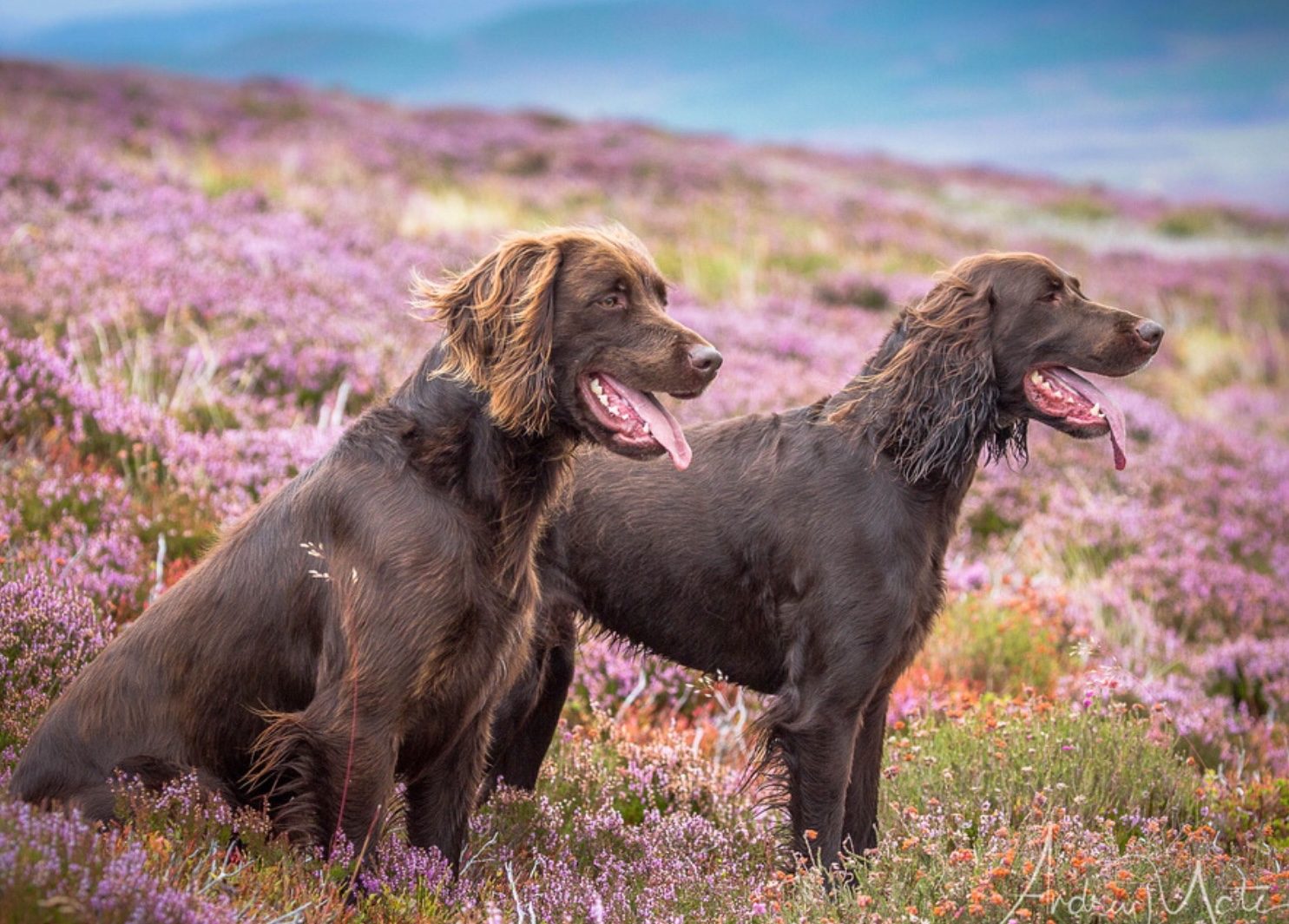
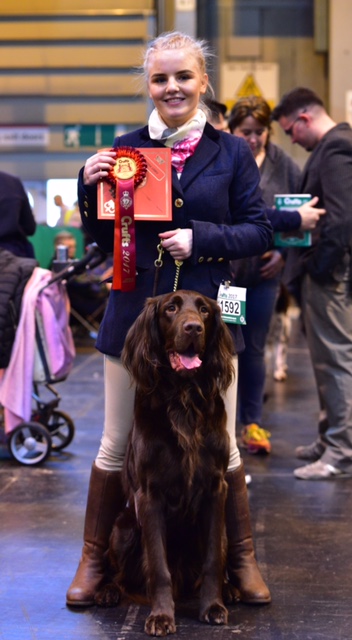
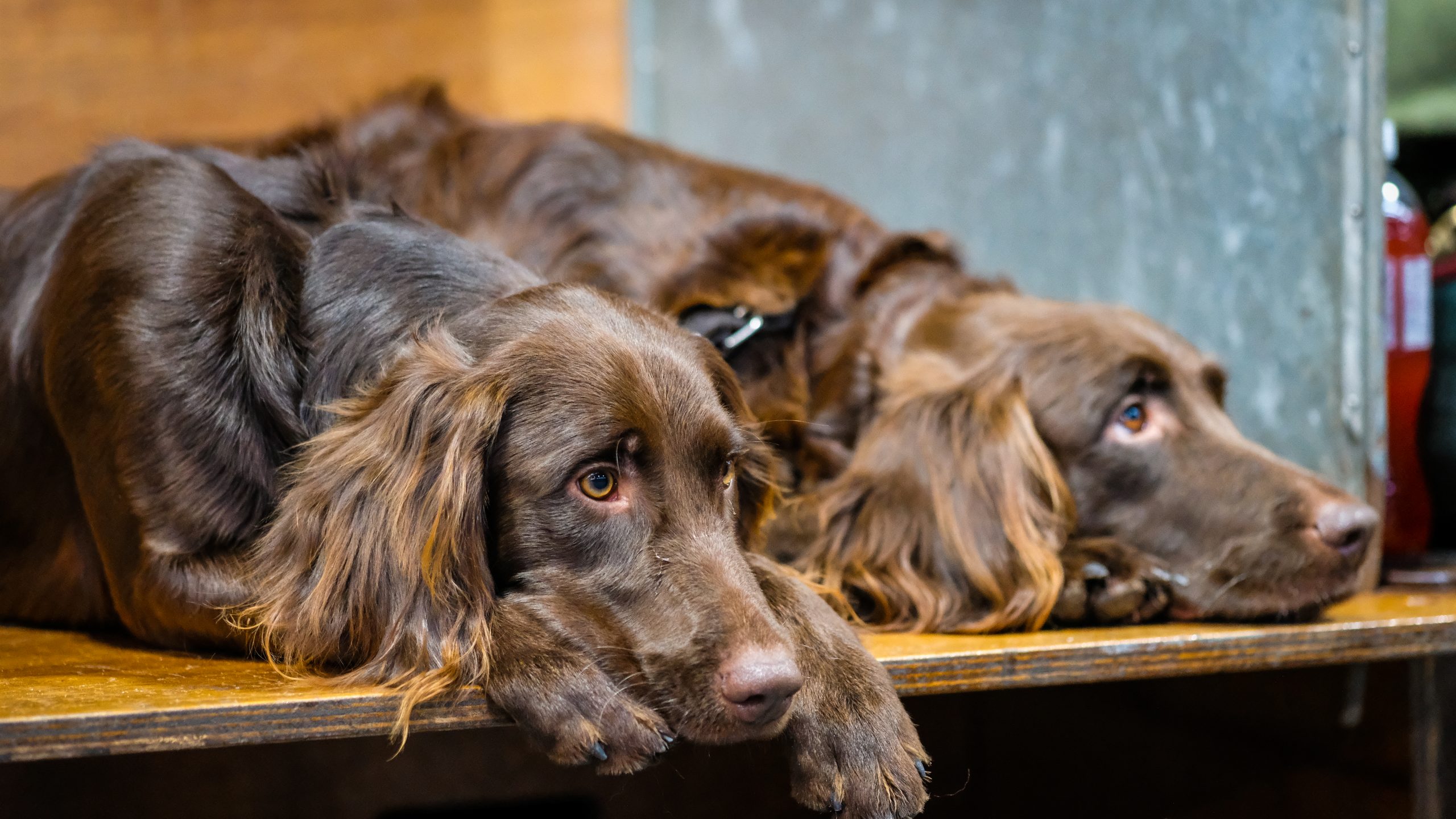
It is a medium to large dog with a noble, aristocratic appearance. Movement
is long striding, stylish and graceful. Coats can be solid brown, brown
with white markings especially on chest and feet, white with brown markings
or roan (white with numerous flecks and small and large brown patches.)

back
to top
Interim Breed Standard
General Appearance
Medium sized, noble and elegant, powerfully built with overall impression
of an energetic, well balanced dog.
Characteristics
Dual purpose Pointer/Retriever, very keen nose, determined hunter and
game-finder; equally good on land and in water.
Temperament
Calm, even tempered. Alert, biddable and very loyal.
Head and Skull
Aristocratic appearance, muzzle and skull of equal length. Top of head
slightly rounded; medium width nasal bone, showing slight arch in profile
and rising gently to forehead with no pronounced stop. The foreface should
be of proportionate length to the skull, fairly broad and deep without
being coarse, well chiselled below the eyes. Flews fairly deep, but not
pendulous or exaggerated. Jaws strong. Nose brown, but slightly flecked
markings permissible. Head hair considerably shorter than body.
Eyes
Brown. As dark as possible, of medium size slightly oval shaped, neither
deep set nor protruding. Tight eyelids, no visible haw.
Ears
Broad and set close to and quite high on head. Turning slightly forward
and leathers reaching to a point half way between corner of mouth and
nose. Turning out on the bottom edge; well feathered on the outside with
longer hair. Slightly wavy feathering should reach beyond tip of nose.
Lower half of inside of leathers covered in hair. Ear leathers twice as
long as broad.
Mouth
Jaws strong, with perfect, regular and complete scissor bite, i.e. upper
teeth closely overlapping lower teeth and set square to the jaws. Full,
strong dentition desirable.
Neck
Moderate length, muscular and slightly arched, without dewlap; joining
the shoulders and chest smoothly.
Body
Well developed sternum, visible when viewed from the side. Broad, deep
ribcage, reaching at least to the elbows. Back straight, firm and moderate
in length. Very muscular around loins.
Forequarters
Shoulders sloping and muscular with top of shoulder blades close; upper
arm long. Elbows set close to body, turning neither outwards nor inwards.
Forelegs straight and well feathered, sufficiently muscular and strong
but not coarse boned. Pasterns slightly sloping.
Hindquarters
Long croup, slightly sloping. Stifles well bent. Hind legs straight when
viewed from rear. Pasterns nearly upright.
Feet
Well arched, compact, close knit, round to oval shaped with strong nails
and pads; turning neither in nor out. Tufts of dense short hair between
toes.
Tail
Well feathered, slightly scimitar shaped, moderately long, not reaching
below hocks. Strong at root, becoming gradually thinner. Carried horizontally
or just below line of back. Docking of tip of tail optional.
Gait/Movement
Free, long-striding, stylish and graceful, with good forward reach and
powerful drive from hindquarters.
Coat
Correct coat very important. On back and sides of body, about 3-5cms long
(1-2 inches), close fitting and with good undercoat. On throat, chest
and stomach, coat may be longer. Body hair sleek and close lying, smooth
or slightly wavy. Back of front legs and hind legs to hock joint, well
feathered; below hocks significantly shorter.
Colour
Solid Brown: White markings permissible especially on chest and feet.
Dark brown roan: with varying sized brown patches, brown head with blaze
or star. White, ticked: with varying sized brown patches, brown head with
blaze or star. Trout-coloured roan: numerous small brown patches on white
ground, brown head with blaze or star.
Brown and White: either clear, or with large brown patches (e.g. saddle)
and very few small patches; brown head with blaze or star. The colour
black is not permissible
Size Height
Dogs - Minimum height at withers 60 cms (24 ins), maximum 70 cms (28 ins).
(Ideal height 63-66 cms (25-26 ins)).
Bitches - Minimum height at withers 58 cms (23 ins), maximum 66 cms (26
ins). (Ideal height 60-62 cms (24-241/2 ins). Weight: Approx. 30kgs (66lbs).
Faults
Any departure from the foregoing points should be considered a fault
and the seriousness with which the fault should be regarded should be
in exact proportion to its degree.
Note Male animals should have two apparently normal testicles fully descended
into the scrotum.
back
to top
|